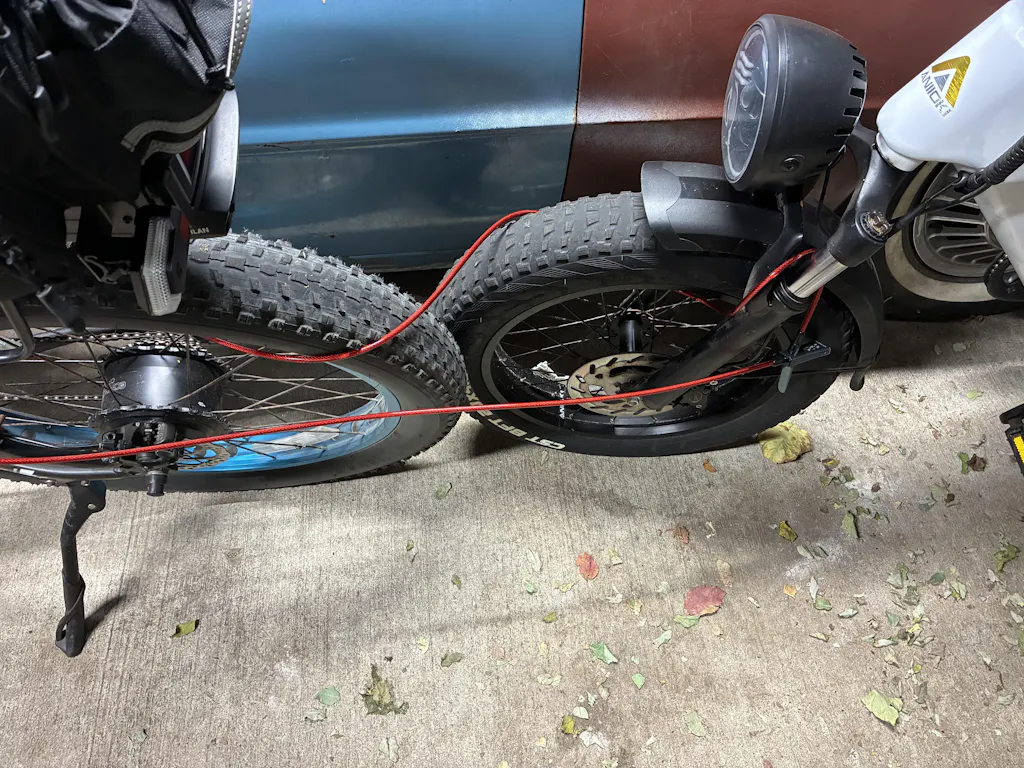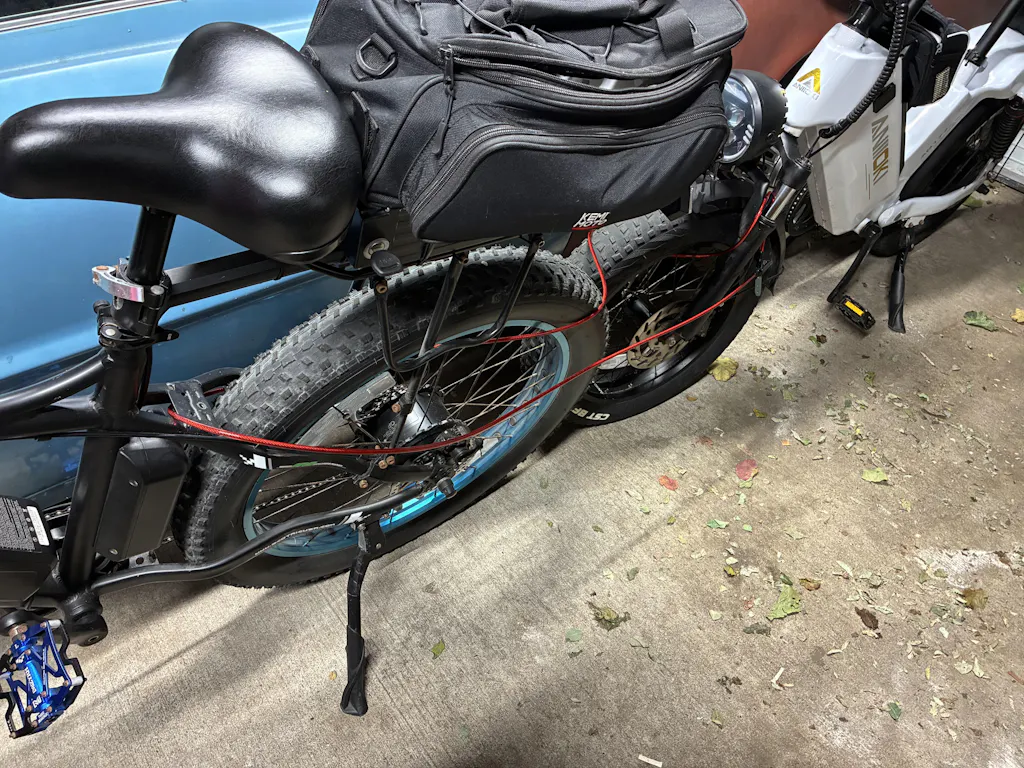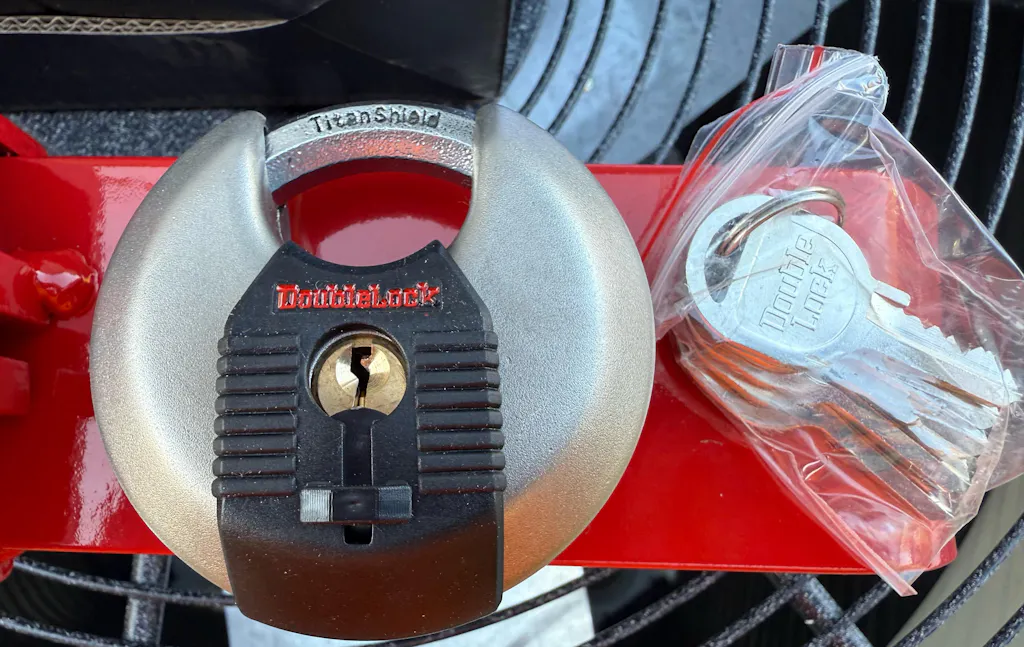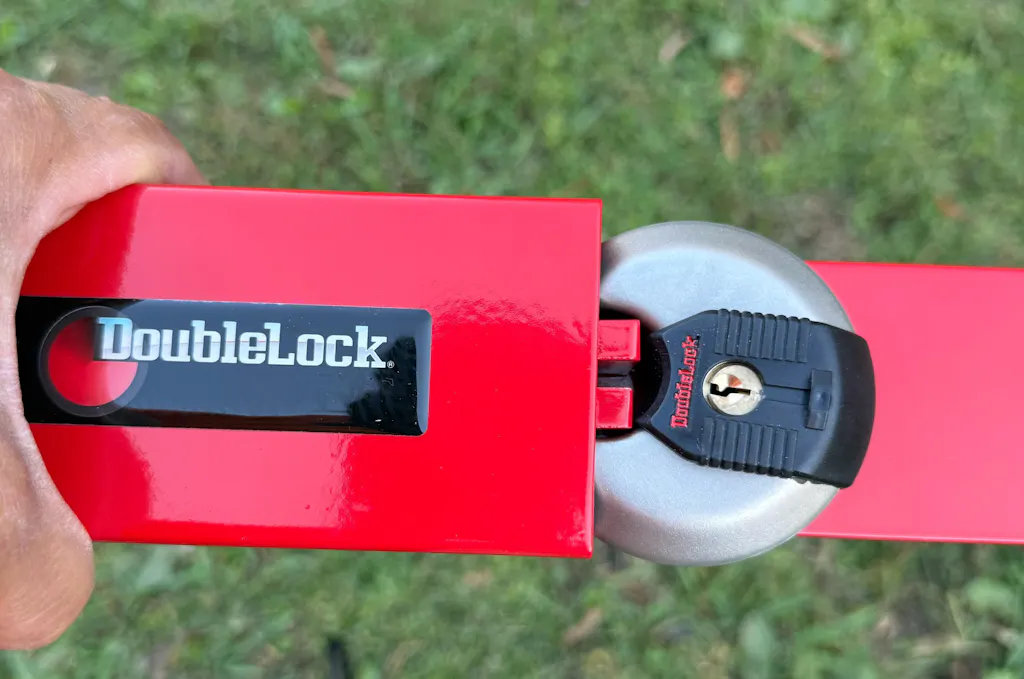



Choosing the right marine padlock is more than just preventing theft; it's a battle against the elements. Saltwater doesn't just cause rust. It triggers a destructive process called galvanic corrosion, where different metals in a lock literally attack each other. This is why a cheap lock can become a seized-up block in no time. A truly resilient lock is built with corrosion-resistant materials from the inside out. This guide will show you what to look for in a heavy duty padlock for saltwater and why marine-grade stainless steel is essential for protecting your gear.
Key Takeaways
- Focus on materials and shape: A true marine padlock uses corrosion-resistant metals like stainless steel and features a closed-shackle or discus design to protect against both rust and cutting tools.
- Check the internal components and ratings: The most durable marine locks often use disc-based mechanisms instead of springs that can corrode, and a high security rating is a reliable indicator of its strength against attacks.
- Perform regular, simple maintenance: Applying a water-displacing lubricant to the keyway and shackle openings every few weeks is the most effective way to prevent internal parts from seizing and extend the life of your lock.
What Makes a Security Device Truly Marine-Grade?
When you’re securing valuable assets in a marine environment, not just any padlock will do. Saltwater is incredibly corrosive and can quickly destroy a standard lock, leaving your property vulnerable. A true saltwater-resistant padlock is built differently from the inside out. It combines specific materials, thoughtful design elements, and protective coatings to withstand constant exposure to salt, humidity, and harsh weather. Understanding these key features will help you choose a lock that provides reliable security for years to come.
The Top Materials for Corrosion Resistance
The foundation of a durable marine padlock is the material it’s made from. Saltwater accelerates rust and can cause a process called galvanic corrosion, where different metals react with each other and break down. To prevent this, high-quality marine locks use materials known for their corrosion resistance. Brass is an excellent choice for the lock body and internal components because it doesn't rust. For the shackle, which needs to be strong and cut-resistant, marine-grade stainless steel is the standard. By using the right materials, manufacturers create a padlock that can stand up to the demanding conditions of a coastal or offshore setting.
What Design Features Matter Most in Marine Environments?
Beyond materials, the physical design of a padlock plays a huge role in its security and durability. Padlocks with a "discus" shape or a "closed shackle" design offer superior protection. These designs minimize the amount of the shackle that is exposed, making it extremely difficult for tools like bolt cutters to get a grip. A shrouded or closed shackle acts as a built-in shield, protecting the most vulnerable part of the lock from being cut or pried open. This is why many of the best heavy-duty padlocks for marine use feature these robust, security-focused shapes.
Key-Retaining Functions
A key-retaining function is a thoughtful design feature that prevents you from removing the key until the padlock is securely locked. Imagine trying to manage a lock on a rocking boat or a busy dock; it’s easy to get distracted and accidentally leave your property unsecured or, worse, drop your key into the water. This feature eliminates that risk by ensuring the key stays with the lock until the job is done. It’s a simple but incredibly practical detail that provides peace of mind, knowing you can’t walk away with an unlocked padlock. This is a common characteristic of well-made security devices built for demanding, real-world applications.
Protective Keyway Covers
The keyway is a direct entry point for all the elements that can ruin a padlock: saltwater, sand, and grime. Over time, this debris can build up inside the locking mechanism, causing it to seize and fail. A protective keyway cover acts as a seal, shielding the sensitive internal components from the harsh marine environment. This small but critical feature prevents contaminants from getting inside, ensuring the lock operates smoothly for years. It’s a testament to the kind of durable engineering that prioritizes long-term reliability, reflecting a deep heritage of building products that are made to last.
How Seals and Coatings Provide Weatherproof Protection
The final layer of defense for a marine padlock comes from its protective seals and coatings. Even with corrosion-resistant materials, it’s important to keep saltwater and moisture out of the internal locking mechanism. Many marine padlocks include rubber covers over the keyway or seals around the shackle openings to block water intrusion. Some also feature a special coating over the entire lock body that adds another barrier against rust and environmental damage. These features are designed to ensure the lock operates smoothly and remains secure, even after being sprayed with salt and water day after day.
Are Saltwater-Grade Devices Necessary for Freshwater?
It’s a fair question: if you’re securing property on a freshwater lake, do you really need a lock built for the ocean? While freshwater isn't as aggressively corrosive as saltwater, the answer isn't a simple no. Any outdoor environment exposes a lock to moisture, humidity, and temperature changes, all of which can lead to rust and failure. The key is to think in terms of overall durability. A high-quality marine padlock is constructed with materials like brass and stainless steel because they don't rust easily in any wet conditions.
These materials are chosen to combat the worst-case scenario, which means they perform exceptionally well against rain, morning dew, and the general dampness of a freshwater setting. Investing in a saltwater-grade device for a freshwater application is like an insurance policy for your security. You're getting a product engineered to withstand extreme elements, which translates to superior longevity and reliability. The features that protect against salt spray also provide excellent defense against the everyday challenges of any outdoor environment.
What to Look for in a Heavy-Duty Marine Security Device
When you need a padlock for a marine environment, not just any lock will do. Constant exposure to saltwater and humidity can quickly destroy a standard padlock, leaving your property vulnerable. The best heavy-duty marine padlocks are engineered to withstand these harsh conditions while providing top-tier security. It comes down to three key areas: the materials used, the physical design of the lock, and the overall quality of its construction. Understanding these features will help you choose a lock that offers true peace of mind for your boat, coastal storage unit, or worksite equipment.
Why Marine-Grade Stainless Steel Is a Must
The first thing to check is what the padlock is made of. For saltwater environments, marine-grade stainless steel is the gold standard. This isn't just about a shiny exterior. True marine-grade construction means every single component, from the lock body down to the tiny internal springs, is built to resist rust and corrosion. Standard locks often contain internal parts that will seize up when exposed to salt and moisture, rendering them useless right when you need them most. Choosing a lock made with high-quality, corrosion-resistant metals means you're investing in a product that will function reliably for years, even in the toughest coastal conditions.
Why Choose a Shrouded or Closed Shackle?
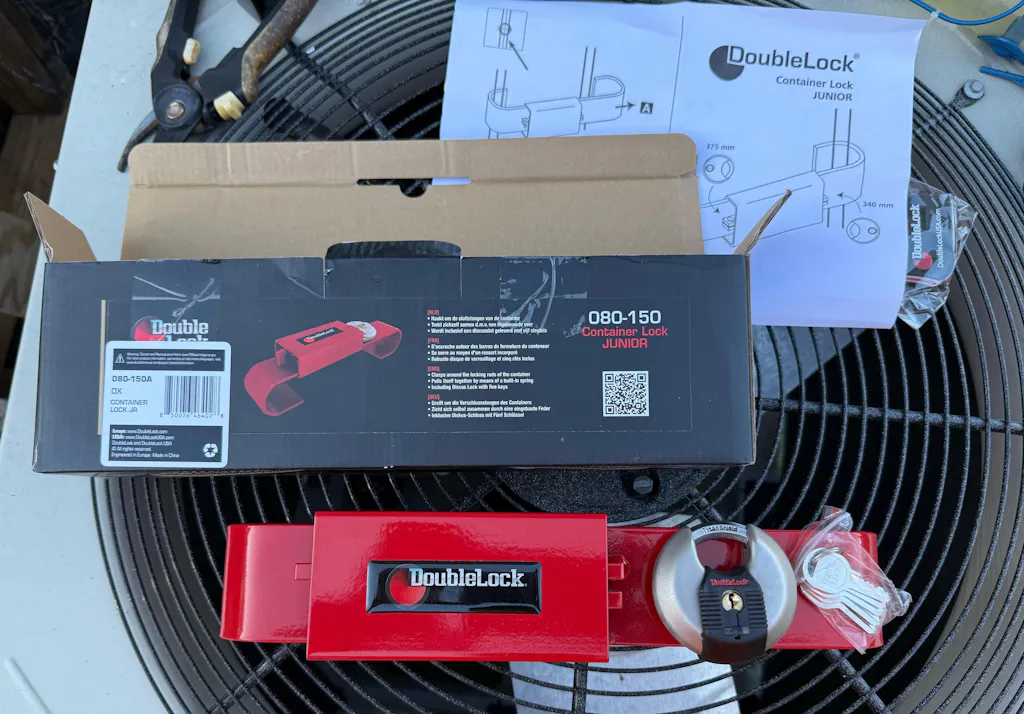
Beyond the material, a padlock's design plays a huge role in its security. The shackle, which is the U-shaped loop, is often the most vulnerable point for a bolt cutter attack. That's why a shrouded or closed-shackle design is such a critical feature for high-security applications. These designs minimize how much of the shackle is exposed, giving cutting tools no place to grip. A "discus" style lock is a great example of this, as the body of the lock almost completely encloses the shackle. This simple design choice makes a world of difference and can easily deter a potential break-in attempt.
Choosing the Right Type for Your Application
The specific job you need your security device to do will heavily influence which type is best. A device for a dock box faces different challenges than one used to secure a trailer hitch. As we've covered, "A true saltwater-resistant padlock is built differently from the inside out. It combines specific materials, thoughtful design elements, and protective coatings to withstand constant exposure to salt, humidity, and harsh weather." Thinking about your exact application will help you narrow down the options and find a security device that is perfectly suited for the task at hand, ensuring your property remains protected for the long haul.
Padlocks for General Use
For general security needs in marine settings, like securing a gate or a storage locker, your focus should be on devices made from highly corrosion-resistant materials. "Brass is an excellent choice for the lock body and internal components because it doesn't rust. For the shackle, which needs to be strong and cut-resistant, marine-grade stainless steel is the standard." This combination ensures both durability against the elements and strength against tampering. When you browse for a general-purpose marine security device, prioritizing these materials is the most effective way to guarantee long-term, reliable performance.
Towing and Trailer Security
Securing trailers and towing equipment requires a higher level of security due to the value of the assets and their exposure during transport. For these applications, a closed-shackle or discus design is highly recommended. These designs "minimize the amount of the shackle that is exposed, making it extremely difficult for tools like bolt cutters to get a grip." This added protection is vital for preventing theft when your trailer is parked or on the road. Investing in a specialized security device with a shrouded shackle provides significant peace of mind for your valuable equipment.
Cable Locks for Equipment
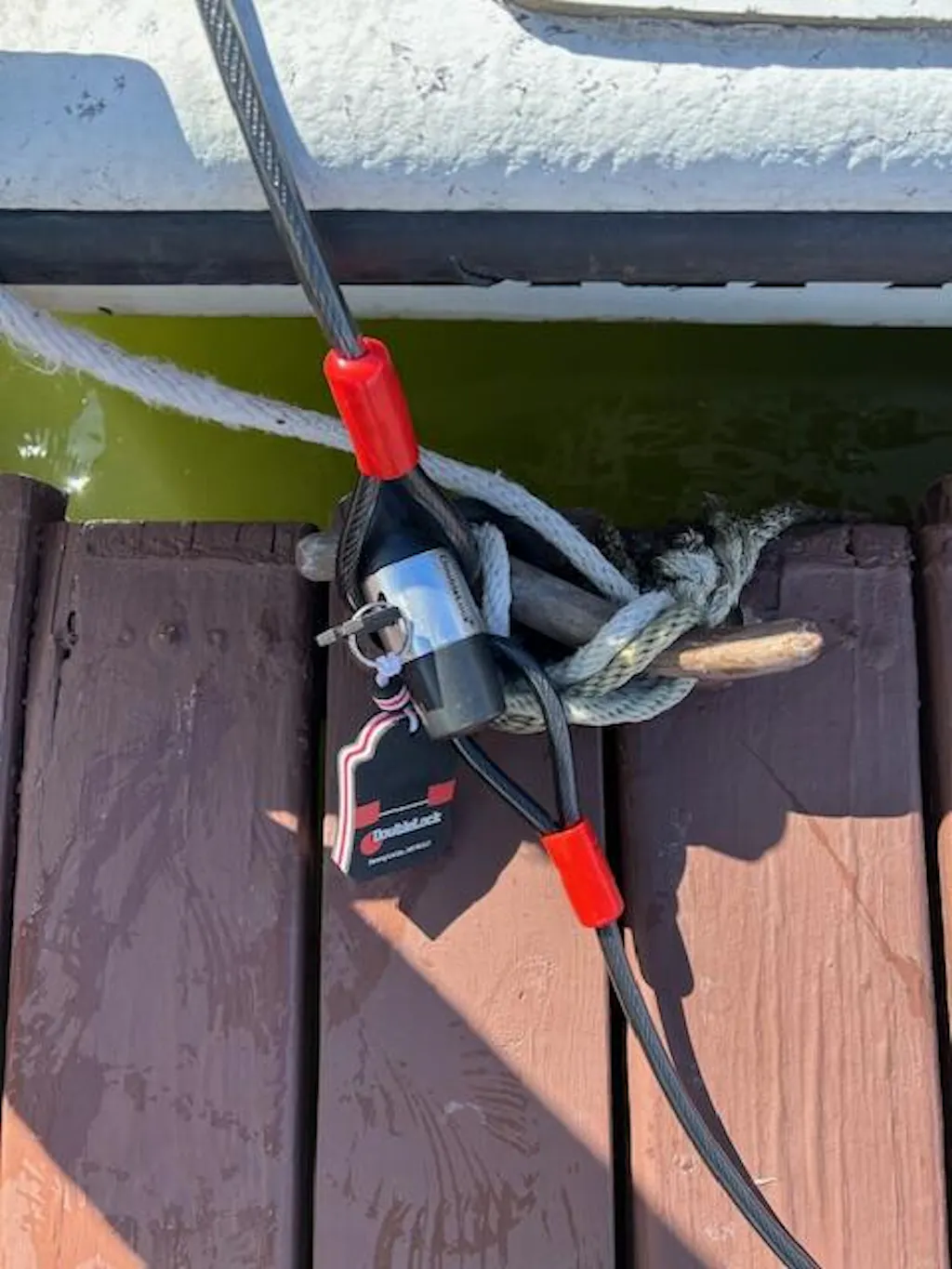
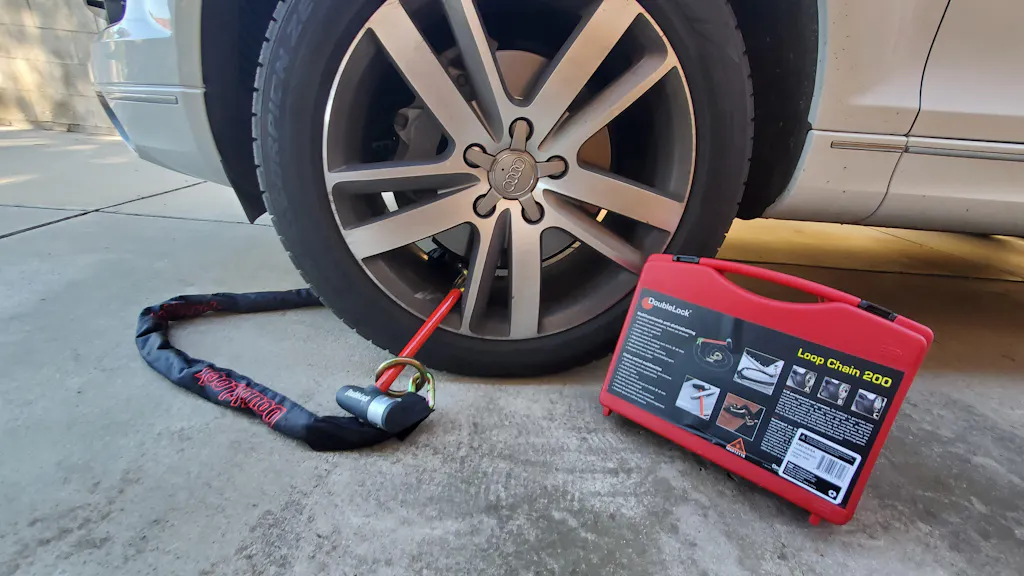
Sometimes a standard security device isn't flexible enough to secure larger items like generators, coolers, or other equipment on a boat or at a worksite. In these cases, using a heavy-duty security cable in conjunction with a high-quality padlock is an excellent solution. The cable provides the length and flexibility to wrap around or through your equipment and secure it to a fixed point. When you pair a strong, coated cable with a robust, corrosion-resistant security device, you create a versatile and formidable security system that can adapt to a wide range of situations.
Keyed vs. Combination Mechanisms
When choosing between a keyed or combination mechanism, you'll want to weigh convenience against maximum security. While combination devices eliminate the need to carry a key, keyed versions often provide a higher level of durability in marine environments. This is because "the most durable marine locks often use disc-based mechanisms instead of springs that can corrode." These internal components are less susceptible to seizing up from saltwater exposure. If your top priority is unwavering reliability in a harsh coastal setting, a high-quality keyed security device is typically the more dependable choice.
Considering Long Shackle Options
When you're selecting a security device, the length of the shackle is another important detail to consider. A longer shackle can offer more flexibility, making it easier to secure items that are bulky or have awkward anchor points. However, this convenience comes with a trade-off. A longer shackle also exposes more metal, creating a larger target for bolt cutters or other tools. It's about finding the right balance for your needs. If you require the versatility of a longer shackle, make sure it’s paired with a device body that has robust security features to compensate for the added exposure.
How DoubleLock USA Delivers Unbeatable Security
At DoubleLock USA, we build our security solutions to offer uncompromising protection. We know that securing valuable assets in a marine environment requires military-grade construction. That’s why our heavy-duty padlocks are designed to meet the highest security standards, incorporating hardened steel and protective coatings to fight off both physical attacks and saltwater corrosion. We focus on every detail, from robust internal mechanisms to tough exterior finishes, ensuring your property remains safe. Our commitment is to provide locks you can depend on, giving you confidence that your gear is secure no matter the weather.
Our Commitment to Robust Construction
At DoubleLock USA, we believe the integrity of a security device is determined by its construction. Marine environments are uniquely challenging, as saltwater not only causes rust but also accelerates galvanic corrosion between different metals. That’s why our philosophy is that a true saltwater-resistant padlock must be built differently from the inside out. We don’t just coat our products; we engineer them with high-quality, corrosion-resistant materials throughout every component, from the body to the internal mechanism. This ensures that our devices can withstand constant exposure to the harshest coastal conditions without failing, providing security you can count on day after day.
Our commitment starts with using marine-grade stainless steel, the recognized standard for saltwater durability. But material strength is only half the battle. We pair these superior materials with intelligent design features that enhance physical security. Many of our heavy-duty padlocks incorporate a shrouded or closed-shackle design, which shields the most vulnerable part of the device from cutting tools. By minimizing the exposed area, we make it incredibly difficult for a potential thief to gain leverage. This dual focus on fighting both environmental decay and physical attacks is how we ensure every DoubleLock USA product delivers the robust, long-lasting security you depend on.
How to Compare Security Features and Ratings
Choosing the right padlock for a marine environment means looking past the surface. A lock's true strength comes from its design and how it holds up against attack. To make a smart choice, focus on three key areas: official security ratings that grade a lock's toughness, the shackle design that protects against cutting, and the internal mechanism that ensures durability. These features separate a standard padlock from one you can truly depend on.
What Are CEN Security Ratings?
A great starting point for comparing padlocks is the CEN security rating. CEN, the European Committee for Standardization, provides a grade from 1 to 6 to indicate how well a lock withstands attacks. A higher number means a tougher lock. For example, a padlock with a CEN 6 security rating has passed the most rigorous tests against drilling, cutting, and picking. While not all padlocks sold in the US have this European rating, it’s a helpful benchmark for quality. Looking for a lock that meets a high CEN grade ensures you’re getting a product built for serious security.
Understanding Other Security Standards
While CEN ratings are a fantastic measure of a padlock's strength, they aren't the only standards out there. Other organizations and even individual manufacturers have their own ways of testing and grading security hardware. Understanding these additional benchmarks can give you a more complete picture of a padlock's ability to protect your property. These standards often test for different types of vulnerabilities, from brute force attacks to the specific challenges of a marine environment, helping you make a more informed decision.
ASTM Testing for Bump and Shock Resistance
Beyond the European standards, ASTM International provides important benchmarks for security hardware. Their tests often focus on a padlock's ability to withstand specific types of attacks, including bumping and shock. Bumping is a manipulation technique that uses a specially cut key to force the internal pins to align, while shock resistance measures how well a locking mechanism holds up against forceful impacts. For anyone needing to secure equipment in a high-risk area, a padlock that has been tested against these standards offers an extra layer of assurance that it can resist both clever manipulation and brute force.
Manufacturer-Specific Rating Systems
You might also notice that many brands have their own proprietary rating systems. Companies create these to highlight how their products perform against specific challenges, such as corrosion, shackle strength, and the durability of internal components. For example, a manufacturer specializing in marine hardware might have a rating that specifically measures resistance to saltwater. While these aren't universal standards, they show a brand's commitment to quality and transparency. At DoubleLock USA, we subject our padlocks to rigorous internal testing to ensure every item meets our own high bar for strength and resilience in demanding environments.
Closed Shackle vs. Diskus: Which Is More Cut-Resistant?
A padlock’s shape directly affects its vulnerability. The most common point of attack is the shackle, the U-shaped bar that fastens the lock. To protect it, look for a closed shackle design, where the lock's body covers most of the shackle. Diskus-style locks also feature a circular design that leaves very little of the shackle exposed. Both designs make it extremely difficult for thieves to use bolt cutters. As various padlock destruction tests show, minimizing access to the shackle is one of the most effective ways to prevent a lock from being cut.
The Science of Cut Resistance
Bolt cutters are a common tool for thieves because they use simple leverage to apply immense force. However, they have a critical weakness: they need a clear point of access to work. This is where smart padlock design comes into play. A closed-shackle or diskus-style lock is engineered specifically to deny that access. By shrouding the shackle, the body of the lock physically blocks the jaws of a cutter from getting a solid grip. Without enough exposed metal to bite onto, the tool becomes almost useless. This is a core principle behind creating truly heavy-duty security devices; it’s not just about using stronger metal, but also about designing a shape that makes common tools of attack ineffective.
Why the Internal Mechanism Is Key to Durability
What’s inside the padlock is just as important as its exterior, especially in saltwater. Many standard padlocks use a pin-tumbler mechanism with tiny springs. In salty air, these springs can corrode, causing the lock to jam. For marine use, a better choice is a lock with a different internal system, like one that uses spinning discs instead of springs. This design has fewer delicate parts susceptible to corrosion. Boaters often recommend these types of locks because they are far more reliable in harsh saltwater conditions and will continue to function smoothly for years.
The Role of High-Pin-Count Systems
While disc-based systems are excellent for fighting corrosion, it's also helpful to understand the security features of traditional pin-tumbler designs. In these systems, a higher number of pins creates significantly more unique key combinations, making the device much harder for an unauthorized person to manipulate. Think of it like a password; more characters create more possibilities. A high-pin-count system requires a more precise alignment to open, which is a major deterrent against picking attempts. When you're choosing a security device, considering the complexity of its internal mechanism is just as crucial as checking its material and shackle design, ensuring you get comprehensive protection.
How Much Should a Quality Marine Security Device Cost?
When you're shopping for a padlock to protect your property in a saltwater environment, the price tag can tell you a lot about its quality. Investing in a reliable marine padlock isn't just about buying a lock; it's about securing your boat, trailer, or dockside equipment against both theft and the elements. The cost often reflects the quality of the materials, the complexity of the internal mechanism, and the lock's overall resistance to corrosion and tampering. While it might be tempting to pick up a cheaper option, a well-made marine padlock is a smart investment that provides lasting peace of mind.
Breaking Down the Price Ranges
You can find marine-grade padlocks at a wide variety of price points, generally from around $20 to well over $100. What accounts for this difference? It comes down to the materials and engineering. Less expensive locks might offer basic weather resistance, but they may not hold up to the constant assault of salt spray. As you move up in price, you'll find padlocks made from higher-grade stainless steel with more sophisticated internal mechanisms. Many of these premium locks have been tested for durability and performance, ensuring they can withstand harsh conditions for years. Paying a bit more often means you're getting a lock that won't seize up or rust through after just one season.
Entry-Level vs. Premium Options
While an entry-level padlock might seem like a bargain, its lower price often points to compromises in materials and construction. These devices may have a weatherproof coating on the outside, but their internal components are frequently made from standard steel that will corrode and seize up in a humid, salty environment. A premium marine padlock, on the other hand, is an investment in lasting security. The higher cost reflects the use of superior, corrosion-resistant materials like solid brass and marine-grade stainless steel throughout the entire device. This ensures every component, inside and out, is built to withstand the elements, providing reliable protection for your valuable assets year after year.
Indicators of a Quality Manufacturer
Beyond the technical specifications on the packaging, the reputation of the manufacturer is one of the most powerful indicators of a padlock's quality. A trustworthy company is transparent about its materials, engineering, and the security standards its products are designed to meet. They don’t just sell a product; they provide a complete security solution built on a foundation of deep industry expertise and customer trust. When you choose a security device, you are also choosing the company that stands behind it. Looking for key indicators like a strong warranty and a proven history can help you select a brand that is truly committed to protecting your property.
The Importance of a Strong Warranty
A manufacturer's warranty is more than just a policy; it's a direct statement of confidence in its own product. When a company offers a multi-year or lifetime guarantee, it signals that the padlock was built with durability in mind. This company has invested in high-quality materials and robust engineering, and it is willing to stand behind that quality. A strong warranty is a clear sign that you are purchasing a dependable security device from a manufacturer that values its commitment to its customers, rather than a disposable item that could fail when you can least afford it.
Manufacturer History and Trust
A company’s background and experience provide crucial insight into the reliability of its products. Manufacturers with a long and focused history have spent decades refining their designs and building a reputation for excellence. This is especially true for brands that specialize in high-stakes industries like marine, hardware, and construction, where equipment failure is not an option. This heritage of trust is built on a foundation of consistently delivering security solutions that offer military-grade toughness and perform exactly as promised, ensuring your most valuable assets are always protected.
Where to Find the Right Security Device for Your Needs
Finding the right padlock is about knowing where to look. You can find reliable marine-grade options at major retailers like The Lowe's, Lowe's, and Northern Tools, where you can see the products firsthand. For a wider selection of specialized security products, it's also a great idea to look directly at manufacturers that focus on high-security solutions. This allows you to compare different models and find one that perfectly fits your needs. You can explore our full range of security solutions to see how features like shrouded shackles and specific materials can offer superior protection for your marine assets.
Check Customer Reviews Before Buying
While technical specifications provide a solid baseline, customer reviews offer invaluable insight into a security device's real-world performance. Look for feedback from people who use them in marine environments similar to yours, as they can speak to long-term durability against salt and humidity. A high price tag suggests quality, but reviews confirm if that promise holds up over several seasons. When users mention specific details like high security ratings, it often shows they’ve done their research. Choosing a device made with high-quality, corrosion-resistant metals is an investment in reliability, and customer feedback is the best way to verify that investment is a sound one.
Verify Product Availability
Once you have a specific security device in mind, you’ll want to confirm where you can purchase it. As we’ve covered, the price of a marine-grade device often indicates its quality, with options available across a wide spectrum. You can check the inventory at major retailers like The Lowe's, Lowe's, and Northern Tools to see what they have in stock. For a broader selection or more specialized high-security models, visiting a manufacturer’s website is a great strategy. This allows you to explore the complete product line, compare features directly, and ensure you’re selecting the perfect solution for your needs before making a purchase.
Keeping Your Security Device Working in Saltwater
Even the toughest marine padlock benefits from a little upkeep. Saltwater is relentless, and consistent exposure can challenge any material over time. The good news is that maintaining your padlock doesn't require a lot of time or specialized tools. A few simple, regular habits can significantly extend its life, ensuring it works smoothly every time you need it. Think of it as preventative care for your security investment, keeping it in top shape to protect your boat, dock box, or coastal property for years to come.
Simple Cleaning and Lubrication Tips
Regular lubrication is the single most important step you can take. Salt and moisture can work their way into the internal mechanism, causing it to seize up. To prevent this, apply a quality lubricant into the keyway and shackle openings often. Products like Tri-Flow or Houdini are great choices because they displace water and provide a protective film. A quick spray every few weeks, or more frequently if the lock is constantly splashed, will keep the components moving freely. This simple routine is your best defense against the corrosive effects of a marine environment and ensures your key will turn without a fight.
How to Prevent Long-Term Corrosion and Damage
The best way to prevent long-term damage starts with your initial purchase. Choosing a padlock specifically designed for marine use is critical. These locks are built from materials like stainless steel or solid brass, which are naturally resistant to rust. Using a single type of metal also helps prevent galvanic corrosion, a process that can occur when different metals are in contact in a saltwater environment. While routine cleaning helps, the inherent quality of a true marine padlock provides a foundational layer of defense. Investing in a lock engineered to handle saltwater from the start saves you from premature replacements and potential security failures down the road.
Related Articles
- How to Find the Best Outdoor Padlock Weatherproof
- The Expert's Guide to Heavy Duty Brass Padlocks
- The Best Locks for Shipping Containers: A Buyer's Guide
- OSPREY Padlock 50mm – Marine-Grade
Frequently Asked Questions
Why can't I just use a standard padlock near the ocean? A standard padlock is not built to handle the corrosive nature of saltwater. Its internal components, which are often made of regular steel, will rust and seize up very quickly when exposed to salt and humidity. This can leave your lock completely useless. A true marine padlock uses materials like brass and marine-grade stainless steel for its entire construction to prevent this breakdown and ensure it works reliably.
Besides corrosion resistance, what is the most important security feature? The design of the shackle is critical for preventing physical attacks. You should look for a lock with a closed or shrouded shackle, which includes discus-style locks. These designs protect the most vulnerable part of the lock by leaving very little of the shackle exposed. This makes it incredibly difficult for tools like bolt cutters to get a grip, which can deter a break-in attempt.
Is it really worth paying more for a high-end marine padlock? Yes, the price generally reflects the quality of the materials and the engineering inside the lock. While a less expensive lock might look fine at first, it may use lower-grade metals that will corrode over time. Investing more upfront typically gets you a lock with superior materials and a more durable internal mechanism, which translates to better long-term security and reliability.
How often should I lubricate my marine padlock? A good rule of thumb is to lubricate it every few weeks, or more often if it's constantly exposed to direct salt spray. A quick application of a quality, water-displacing lubricant into the keyway and around the shackle openings is usually all it takes. This simple step keeps the internal parts moving smoothly and helps prevent them from seizing due to salt buildup.
What is the difference between a closed shackle and a discus lock? Both designs aim to protect the shackle from being cut, but they have slightly different shapes. A closed shackle lock typically has a rectangular body with high "shoulders" that surround the shackle on both sides. A discus lock has a round, flattened body that almost completely encloses a short, curved shackle. Both are excellent choices for high-security needs because they effectively minimize shackle exposure.