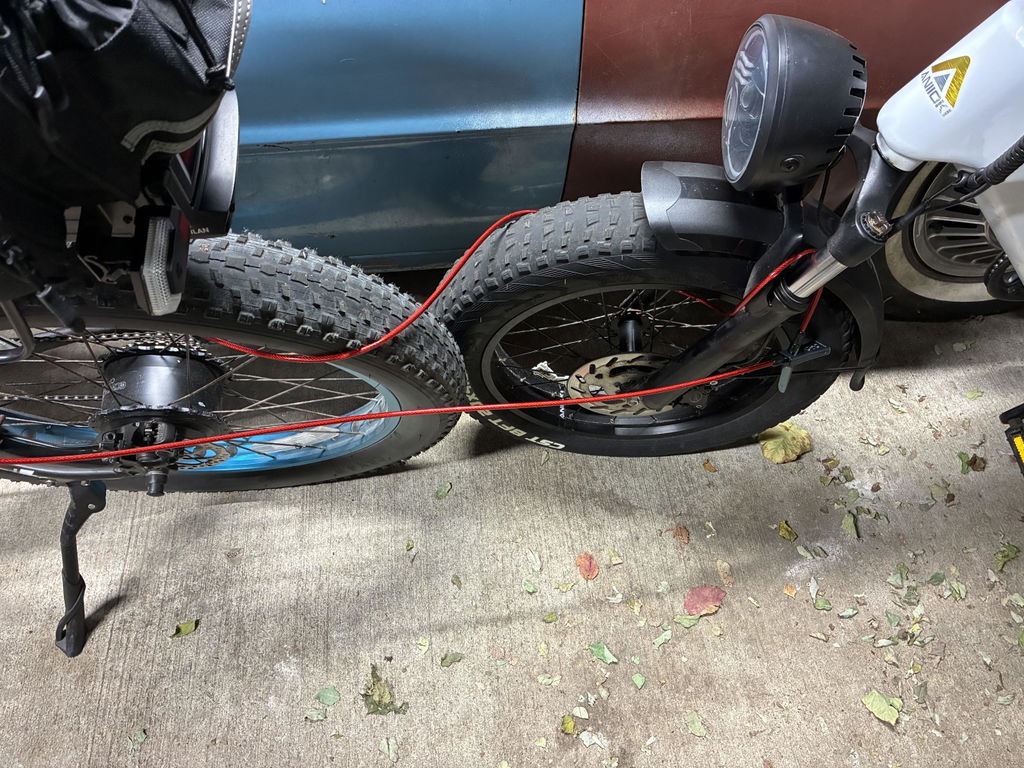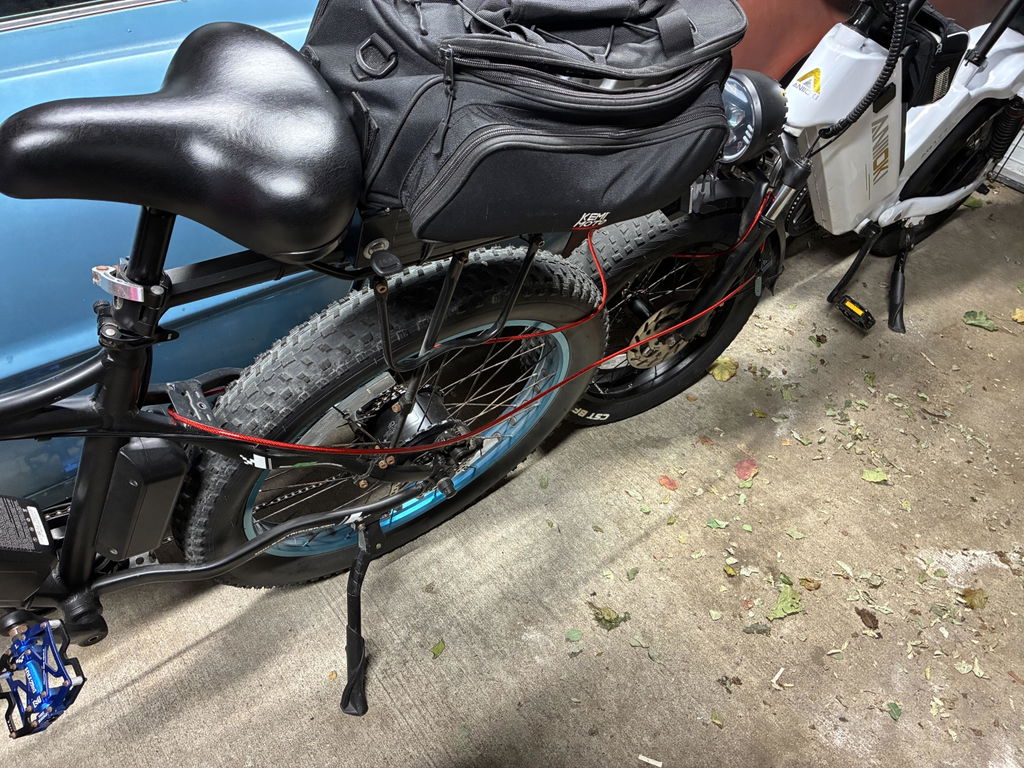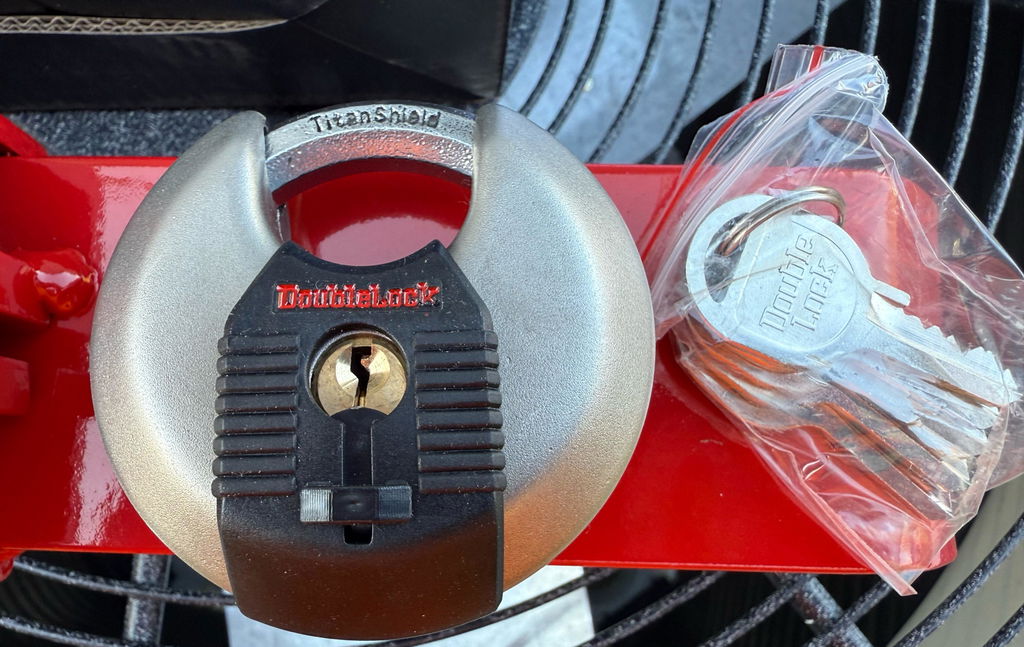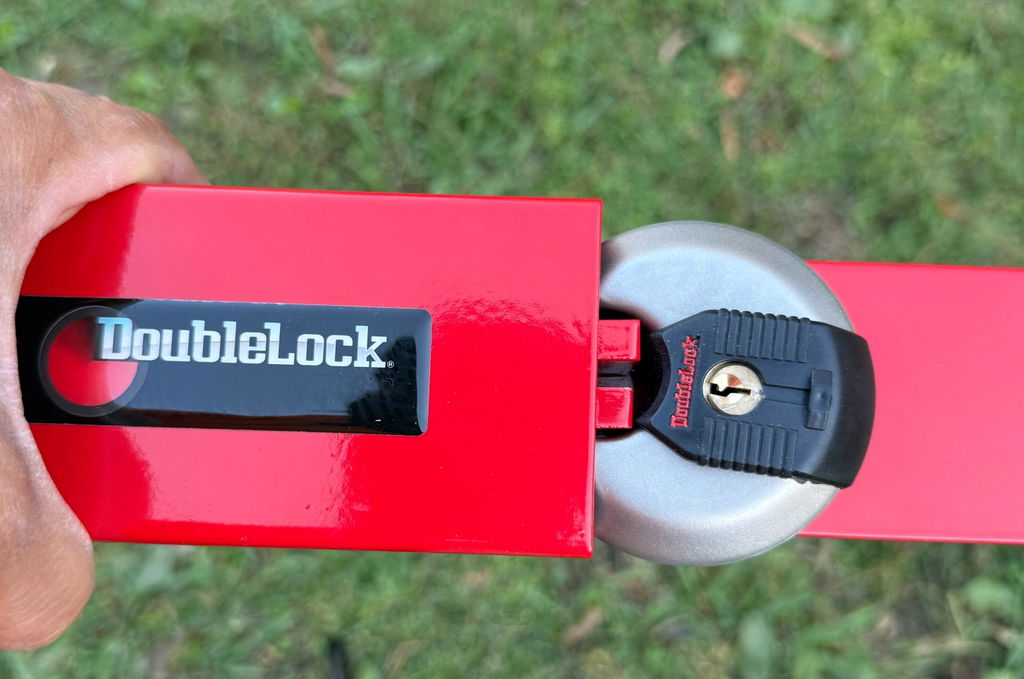

To properly protect your trailer, it helps to think like a thief. Criminals look for easy targets with obvious weak points, and a flimsy security device is an open invitation. They can spot inferior materials and simple mechanisms that can be defeated in seconds. This article will show you how to fortify your trailer against these threats. We’ll explain the key features that make a difference, from hardened steel construction to complex, pick-resistant cores. Finding the best anti theft proof trailer locks means choosing a system that anticipates and thwarts common theft methods, giving you a serious defensive advantage.
Key Takeaways
- Focus on materials, not just size: A lock's real strength comes from its construction, specifically hardened steel and a pick-resistant core, not just its bulky appearance. Always check the product specifications to ensure you're getting genuine protection.
- Create multiple obstacles for thieves: Don't rely on a single point of security. Combining different types of locks, such as a coupler lock and a wheel lock, makes stealing your trailer much more difficult and time-consuming, which deters most criminals.
- Choose a lock that fits your trailer and your needs: A lock is ineffective if it doesn't fit your specific hitch snugly. After confirming the right fit, balance the cost of the lock with the value of what you're protecting to find the appropriate security level for your situation.
What Makes a Trailer Lock Effective?
Choosing a lock for your trailer is about more than just grabbing the heaviest one off the shelf. An effective lock is a complete security system in miniature, designed to withstand both brute force and clever tampering. Its strength comes from a combination of smart design, durable materials, and a precise fit. A lock might look intimidating, but if it has a weak internal mechanism or is made from cheap metal, it offers a false sense of security. Thieves know how to spot these weaknesses, so it’s important you do, too.
When you’re evaluating a lock, you need to think like a thief. Can it be cut with bolt cutters? Can the core be drilled out? Will it rust and seize up after a few months in the rain, leaving your trailer vulnerable? Is it the right size and shape for your specific hitch or wheel? Answering these questions will help you move beyond appearances and focus on the features that truly keep your trailer safe. A truly effective lock addresses all these points, giving you confidence that your property is protected.
Look for Quality Materials and Construction
The foundation of any good lock is the material it’s made from. For trailer security, you should always look for locks constructed from hardened steel. This material is specifically treated to resist common theft methods like cutting, sawing, and drilling. A lock made from a softer metal can be defeated in seconds with a pair of bolt cutters. High-quality construction also includes features that prevent picking, which is why our heritage is rooted in creating security solutions that stand up to real-world threats. A solid build ensures that the lock won't be the weakest link in your security setup.
Check the Strength of the Locking Mechanism
While the body of the lock needs to be tough, the internal locking mechanism is where many inferior products fail. A strong exterior is useless if the core can be easily tampered with or forced open. Look for locks with complex, pick-resistant keyways and drill-resistant components. These features make it significantly harder for a thief to manipulate the lock open without the key. The best trailer locks are designed to resist tampering, not just look tough. When you browse our shop, you’ll find locks built with internal strength as a top priority, giving you a reliable defense against skilled thieves.
Ensure It Can Withstand the Elements
Your trailer and its lock will be exposed to rain, sun, snow, and road salt. Over time, these elements can cause a lock to rust and corrode, weakening its structure and potentially causing it to seize. A seized lock can be a major inconvenience, but a rusted one can be a security risk. Effective trailer locks are designed with weather resistance in mind. Features like chrome plating, powder coatings, and rubber caps over the keyhole help protect the internal mechanism from moisture and debris. This ensures your lock functions smoothly and maintains its integrity for years, no matter the weather conditions.
Find the Right Fit for Your Trailer
A lock is only effective if it fits snugly and correctly. A lock that is too loose can be easily pried off or smashed, while one that is too small may not engage properly, leaving your trailer unsecured. Different parts of your trailer require different types of locks. For example, a coupler lock is designed to secure the trailer when it’s unhitched, while a hitch pin lock secures the trailer to your tow vehicle. Before you buy, measure your trailer’s coupler or receiver to ensure you get the right size. You can explore different lock types to find the perfect match for your specific setup.
Common Trailer Lock Types and How They Compare
Choosing the right lock starts with understanding what you’re trying to protect. Different locks are designed for different vulnerabilities, and the most secure setups often use more than one type. Think of it like securing your home; you lock the front door, but you also lock the windows. For trailers, the main points of attack are the coupler, the hitch connection, and the wheels themselves. Let's go over the three most common types of trailer locks and what each one does, so you can build a security strategy that gives you confidence whether your trailer is parked at home or attached to your truck at a job site.
Coupler Locks
A coupler lock is your first line of defense when your trailer is unhitched. It’s designed to fit into the trailer's coupler, which is the part that normally latches onto the hitch ball of your tow vehicle. By inserting and locking a coupler lock, you block anyone from being able to hook up your trailer to their own truck and drive away with it. These are essential for any trailer owner, as they secure the trailer when it’s most vulnerable: sitting by itself. A quality coupler lock is a non-negotiable part of a solid security plan, preventing unauthorized access before it can even start.
Hitch Pin and Receiver Locks
While a coupler lock protects a detached trailer, a hitch pin lock secures it to your vehicle. This lock replaces the standard clip or pin that holds your ball mount in the receiver hitch. Without a locking pin, a thief could simply pull the pin, slide your entire hitch out, and attach it to their own vehicle. A hitch pin lock is critical for preventing theft when you’re parked temporarily, like at a gas station or a restaurant. It ensures the physical connection between your trailer and tow vehicle is secure, giving you peace of mind that everything will still be there when you get back.
Wheel Chock Locks
A wheel chock lock adds a strong, visual layer of security by immobilizing one of the trailer's wheels. This device clamps firmly around the tire, making it impossible for the wheel to roll. It’s an excellent deterrent because it’s so visible; a potential thief can see from a distance that your trailer is not an easy target. Even if they manage to defeat the coupler lock, they still can’t tow the trailer away. The most effective wheel chock locks offer a snug fit and are made from hardened steel to resist cutting or tampering. They are a great addition to any trailer security system, providing an extra obstacle that makes stealing your trailer much more difficult and time-consuming.
Our Top Picks for Anti-Theft Trailer Locks
Choosing the right lock comes down to matching its features to your specific needs, trailer type, and budget. After reviewing dozens of options based on material strength, locking mechanism, and real-world performance, we’ve narrowed it down to five standout choices. Each of these locks offers a reliable way to protect your investment, from heavy-duty solutions for high-value assets to versatile, everyday defenders. Here’s a closer look at what makes each one a solid choice for securing your trailer.
1. DoubleLock Trailer Coupler Lock
The DoubleLock Trailer Coupler Lock is our top recommendation for anyone serious about protecting a high-value trailer and its cargo. This lock is built with a premium SCM-approved security system, which means it has undergone rigorous independent testing against theft attempts. It’s designed to be as strong as the trailer it protects, offering peace of mind that casual and determined thieves will be stopped in their tracks. If you’re looking for a robust solution that prioritizes strength above all else, this is an excellent investment to secure your trailer. Its durable construction ensures it will hold up well against both tampering and harsh weather conditions.
2. Altor ICON Coupler Lock
The Altor ICON Coupler Lock immediately stands out with its unique, spherical design made from hardened steel. This patented shape isn't just for looks; it makes it incredibly difficult for thieves to get a grip with tools like grinders or crowbars. It’s specifically engineered to fit a range of 2-inch and 2-5/16-inch couplers, providing a snug and secure fit that leaves no room for weak points. The high-security disc detainer lock is resistant to picking and drilling, offering another layer of defense. For those who need next-level protection against power tools, the Altor ICON is one of the toughest coupler locks available on the market.
3. Proven Industries Model 2516
Proven Industries is well-known for its heavy-duty security products, and the Model 2516 coupler lock is no exception. Constructed from thick, quarter-inch steel, this lock is designed to completely encase your trailer's coupler. This design prevents thieves from simply unbolting the coupler from the tongue, a common weak point that many other locks fail to address. Its puck lock mechanism is shielded within the steel housing, making it nearly impossible to cut or drill. While it’s one of the heavier and more expensive options, its comprehensive protection makes it a worthwhile choice for anyone needing to secure high-value equipment or trailers stored in high-risk areas.
4. Trimax TCL65 Wheel Chock Lock
For a different approach to security, the Trimax TCL65 Wheel Chock Lock immobilizes your trailer by securing the wheel itself. This heavy-gauge steel lock wraps around the tire and functions as both a chock and a lock, preventing the trailer from being rolled away. It’s coated with a durable powder finish to resist corrosion and features a pick-resistant lock core. The bright yellow color also acts as a strong visual deterrent. This type of lock is an excellent standalone solution or a great addition to a coupler lock for layered security. The Trimax TCL65 is adjustable and fits most trailer wheels, making it a versatile and effective option.
5. Master Lock Universal 389-DAT
If you're looking for a reliable and affordable lock from a trusted brand, the Master Lock Universal 389-DAT is a fantastic choice. Its universal design fits most 1-7/8-inch, 2-inch, and 2-5/16-inch couplers, making it a versatile option for those with multiple trailers. The advanced locking mechanism resists picking and prying, while its bright red finish serves as a clear visual deterrent to would-be thieves. While it may not have the heavy-duty build of premium models, it offers dependable protection against opportunistic theft. It’s an easy-to-use and cost-effective security measure that provides solid, all-around value.
Security vs. Budget: A Quick Comparison
Deciding on a trailer lock often comes down to a simple question: how much security do you need, and what’s your budget? The answer depends on what you’re hauling and where you park. A trailer full of landscaping tools has different security needs than one carrying a high-end ski boat. Understanding the value of your assets will help you find the right balance between cost and protection. To make it easier, we can group trailer locks into three main categories: maximum security, great all-around value, and reliable, affordable picks. Let's look at what each level offers so you can make a confident choice.
Maximum Security Options
When you’re securing high-value trailers and cargo, a premium security system is essential. These locks are your first line of defense against determined, well-equipped thieves. Think of them as an investment in protecting your most valuable assets. Built from materials like hardened steel, they feature advanced mechanisms designed to resist picking, drilling, and cutting. While they come with a higher price tag, the cost is minimal compared to the potential loss of your trailer and its contents. This is the right category for commercial trailers, high-end recreational vehicles, or anything you simply can’t afford to lose.
Great All-Around Value
The best trailer locks often strike a perfect balance between strong security and everyday convenience. These mid-range options are designed for quick and simple installation, letting you secure your property in seconds without any fuss. They provide a significant upgrade in protection over basic locks, giving you confidence when your trailer is left unattended. While prices can vary, investing in a reliable lock from a trusted brand can save you from the headache and financial hit of a theft. This category is ideal for most trailer owners who want solid protection without paying for top-tier, specialized features.
Reliable and Affordable Picks
Even if you're on a tight budget, you can still find a lock that offers dependable protection. Many inexpensive trailer locks on the market fail to deliver on their promises, but the best affordable options look tough and effectively resist tampering. A visible deterrent can be enough to make a thief think twice and move on to an easier target. Choosing a well-made, budget-friendly lock from a reputable company can provide peace of mind without breaking the bank. These locks are a great fit for lower-value trailers or for adding an extra layer of security in low-risk areas.
Common Trailer Security Mistakes to Avoid
Securing your trailer is about more than just buying a lock; it’s about creating a system that deters thieves effectively. Even the highest-quality lock won't do its job if it's not used correctly. Many trailer owners make simple, preventable mistakes that leave their property vulnerable. By understanding these common errors, you can make sure your security measures are actually working for you. Taking a few extra moments to get the details right can be the difference between a trailer that stays put and one that disappears. Let's walk through the most frequent missteps and how you can avoid them to keep your trailer safe.
Choosing the Wrong Size or Type
A common mistake is grabbing a "one-size-fits-all" lock off the shelf without confirming it fits your specific trailer. These locks often leave gaps around the coupler, creating a perfect opening for a thief to use a pry bar or other tools to force it open. A lock should fit snugly with no room to wiggle. Before you shop for a lock, take the time to identify your trailer's exact hitch type and size. A lock that is designed for your specific setup will provide a much more secure connection, leaving no weak points for a criminal to exploit. A proper fit is the first and most critical step in effective trailer security.
Judging a Lock by Its Looks
It’s easy to assume that a big, heavy-looking lock is a strong one, but appearances can be deceiving. Many bulky locks are made from inferior materials that can be defeated with surprising ease. Thieves know this and may use tools like hammers to shatter a lock, especially after making it brittle with a freezing agent. Instead of judging a lock by its size, focus on its construction. Look for locks made from hardened steel and featuring complex internal mechanisms that resist picking and drilling. True security comes from quality engineering, not just from looking tough. Our commitment to quality ensures our locks are built to withstand real-world attacks, not just look intimidating.
Putting Price Before Protection
When you're looking at a trailer worth thousands of dollars, skimping on a lock to save a few bucks is a risky gamble. While budget is always a factor, prioritizing price over protection is a mistake that can cost you dearly. A cheap lock is often cheap for a reason; it may use weaker materials or a simpler design that’s easier to break. Think of a quality lock as an investment in the security of your larger asset. A proper locking mechanism is your first line of defense, and it’s worth spending a little more to get one that is tested, reliable, and built to last.
Using Only One Type of Lock
Relying on a single lock, no matter how strong, creates a single point of failure. Determined thieves often come prepared with the tools to defeat a specific type of lock. The best way to secure your trailer is to use a layered approach. By combining two or more different types of locks, you create multiple obstacles that a thief must overcome. For example, you could use a coupler lock in addition to a wheel chock lock. This strategy significantly increases the time and effort required to steal your trailer, making it a much less attractive target. Even a skilled thief may be deterred when faced with multiple security devices.
Forgetting to Inspect and Maintain Your Lock
Your trailer lock lives a tough life. It’s constantly exposed to rain, road salt, dirt, and fluctuating temperatures, all of which can lead to rust and corrosion. Over time, this exposure can cause the locking mechanism to seize up or weaken, compromising its effectiveness. Many people make the mistake of putting a lock on their trailer and forgetting about it. Get into the habit of regularly inspecting your lock for any signs of wear, rust, or attempted tampering. Test the key to make sure it still turns smoothly. A little periodic cleaning and lubrication will keep the internal components working properly and ensure your lock is ready to protect your trailer when you need it most.
Why One Lock Is Never Enough
Relying on a single lock to protect your trailer is like leaving your front door open and hoping for the best. While a quality lock is your first line of defense, a truly secure setup involves multiple layers of protection. Think of it this way: the more obstacles you put in a thief’s path, the more time and effort they have to spend. Most criminals are looking for a quick and easy target. By making your trailer more difficult to steal than the one parked down the street, you significantly reduce your risk.
A comprehensive security strategy combines different types of physical locks with other deterrents. Each layer serves a unique purpose, from physically stopping a thief to alerting you of an attempt or helping you recover your property after a theft. This layered approach creates a robust system that frustrates criminals and gives you peace of mind. It’s not about making your trailer completely impenetrable, but about making it an unattractive and high-risk target. The following steps will help you build a security system that works around the clock to protect your investment.
Layer Different Types of Locks
Using two or more different kinds of locks is one of the most effective ways to slow down a thief. A criminal might come prepared to defeat a standard coupler lock, but they may not have the tools or time to also deal with a wheel lock. By combining different mechanisms, you force them to overcome multiple challenges. For example, you could secure the hitch with a high-quality coupler lock and add a wheel chock lock to prevent the trailer from being rolled away. When selecting your locks, always choose models made from hardened steel that are designed to resist cutting and picking.
Install a GPS Tracker
Even the best locks can sometimes be defeated by a determined and well-equipped thief. That’s where a GPS tracker comes in. This device acts as your backup plan, giving you a way to find your trailer if it’s stolen. A small, hidden GPS tracker allows you to monitor your trailer’s location in real time from your phone or computer. If your trailer goes missing, you can provide law enforcement with its exact coordinates, dramatically increasing the chances of a successful recovery. It’s a modern security layer that provides invaluable information when you need it most.
Add Alarms and Motion Sensors
Physical locks are a passive defense, but alarms and motion sensors are an active deterrent. The sudden blast of a loud alarm is often enough to send a thief running, as it draws exactly the kind of attention they want to avoid. You can install motion-activated alarms that trigger a siren if someone tampers with your trailer. Some systems can even send an alert directly to your smartphone, notifying you of a potential theft in progress. These alarms and sensors work alongside your locks to create an environment that is simply too risky for most criminals.
Park in Well-Lit, Secure Areas
Where you park your trailer can be just as important as how you lock it. Thieves thrive in darkness and seclusion, where they can work without being seen. Whenever possible, park your trailer in a well-lit area with plenty of foot or vehicle traffic. An even better option is to store it in a locked garage, a secure storage facility, or behind a locked gate on your property. Creating a physical barrier and eliminating privacy makes your trailer a much harder target. This simple, no-cost security measure is a foundational part of protecting your property.
Mark Your Trailer for Easy Identification
A thief wants a trailer they can sell quickly and anonymously. By making your trailer uniquely identifiable, you make it less attractive to steal and easier to recover. Use an engraver or metal stamps to mark your trailer with your driver’s license number or a unique symbol in several discreet locations. You should also record the trailer’s Vehicle Identification Number (VIN) and keep it in a safe place. If your trailer is stolen and recovered, these identifiable features provide law enforcement with undeniable proof of ownership, ensuring it gets back to you.
How to Choose the Right Lock for You
Choosing the right lock involves more than just picking one off the shelf. To get the best protection, you need to consider your specific trailer, your security needs, and the quality of the lock itself. A thoughtful approach ensures your investment is both effective and practical for your situation.
Match the Lock to Your Hitch
Start with the basics: the lock must fit your trailer. It sounds simple, but it's a common oversight. Each type of trailer lock is designed to secure a different weak point, so you need to identify what part of your trailer is most vulnerable and find a lock made for that specific application. Whether you have a bumper-pull or a gooseneck trailer, the coupler style and size will determine which lock you need. The best trailer locks are also designed for quick and simple installation, allowing you to secure your property in seconds. Before you shop for a lock, take measurements of your coupler and hitch to ensure you get a snug, secure fit.
Balance Your Budget with Your Security Needs
Your next step is to think about what you're protecting. A basic lock is fine for low-risk situations, but high-value trailers and cargo require a premium security system designed to stop determined, well-equipped thieves. Consider the value of your trailer and its contents, as well as where you typically park it. A trailer left in a remote, unlit area needs more protection than one stored in a secure facility. Investing in a high-quality lock is an investment in peace of mind. Our commitment to security is built on the idea that your property deserves reliable protection, so choose a lock that reflects the value of what you're securing.
Think About Durability and Ease of Use
A lock is only as good as the materials it's made from. When choosing your locks, look for high-security models made from hardened steel with features that resist picking and cutting. Many locks look tough but fail when it matters most because of a weak fit, low-quality steel, or a flimsy locking mechanism. A truly effective lock resists tampering and brute force attacks. At the same time, it shouldn't be a chore to use. If a lock is too complicated or difficult to install, you might be tempted to skip using it. Find a balance between robust construction and practical, everyday usability.
Related Articles
- 5 Best Theft Proof Trailer Locks (Buyer's Guide)
- 5th Wheel Lock for Semi Trailer: The Ultimate Guide
Frequently Asked Questions
I’m on a budget. Is an expensive lock really that much better? Think of a lock as an investment in protecting your much larger investment, which is the trailer itself. While a higher price doesn't always guarantee better quality, the most secure locks use hardened steel and complex internal mechanisms that cost more to produce. A cheaper lock might look the part, but it often uses softer metals or simpler designs that can be broken quickly. A good mid-range lock from a reputable brand often provides the best balance of reliable security and affordability for most people.
If I have to choose just one, what type of lock should I get first? If you're starting with a single lock, a high-quality coupler lock is the most important one to get. It protects your trailer when it is most vulnerable: sitting by itself and unhitched from your vehicle. This type of lock prevents a thief from simply backing up their own truck and driving away with your trailer. Once you have a solid coupler lock, you can build on that security by adding a hitch pin lock or a wheel lock later.
How do I make sure I’m buying the right size lock for my trailer? A lock that doesn't fit correctly is a major security weakness. Before you buy anything, you need to measure the specific part of your trailer you intend to lock. For a coupler lock, you need to know the size of your trailer's coupler (for example, 2 inches or 2-5/16 inches). The lock should fit snugly with very little room to move around. Any extra space gives a thief an opportunity to use a pry bar or other tool to force the lock off.
Besides locks, what is the most effective way to prevent theft? Layering your security is the best strategy. After physical locks, adding a hidden GPS tracker is an incredibly effective step. While locks are there to stop a thief in the moment, a GPS tracker is your backup plan that helps you recover the trailer if it is stolen. It allows you to give law enforcement the trailer's exact location, which greatly increases your chances of getting it back.
How often should I inspect my lock, and what am I looking for? You should give your lock a quick check every few months, and especially after a period of harsh weather. Try the key to make sure the mechanism turns smoothly without sticking. Look for any signs of rust or corrosion on the lock body and around the keyhole. Also, check for any unusual scratches or dents that might indicate someone has tried to tamper with it. A quick spray of graphite lubricant into the keyhole once or twice a year will keep it working properly.