

An ATV or UTV represents a serious investment, and the trailer carrying it becomes part of the theft target the moment you leave it unattended. Trailheads, campgrounds, job sites, and storage areas all create opportunities when a trailer relies on a single basic pin or a loose strap.
Effective ATV trailer security uses layers: lock the trailer to the tow vehicle. Immobilize the ATV or UTV with a purpose-built cable or lock, and secure tools and riding gear inside storage compartments. This approach creates multiple physical barriers and reduces opportunity, although no lock makes valuable equipment undefeatable. The NICB reports that roughly 20,000 ATVs and UTVs are stolen each year, with only about one-third recovered.
Start with the risk itself. Understanding where theft occurs and why recovery remains difficult makes it easier to build a security system that protects the trailer, the machine, and everything packed inside it.
Why ATV and UTV Theft Is a Growing Concern
ATVs and UTVs attract thieves because owners often leave them exposed during the moments when security gets overlooked. A machine parked at a trailhead, sitting in a driveway. Or loaded on a trailer during an overnight stop can become an easy target when the owner relies on the vehicle's ignition or a basic tie-down alone.
The scale of the problem makes that risk impossible to dismiss. The National Insurance Crime Bureau reports that around 20,000 ATVs and UTVs are stolen every year, and only about one-third of those vehicles are recovered. That leaves thousands of owners dealing with a permanent loss rather than a temporary inconvenience. NICB theft data also identifies the seasonal pattern behind many of these incidents, reinforcing the need to secure off-road equipment before heading out.
Trailheads create predictable opportunities
Trailheads place valuable equipment in public areas where owners may spend hours away from their vehicles. A thief does not need to defeat every security layer when a trailer coupler, wheel, or machine remains exposed. Visible locks that resist quick attacks make the equipment a harder and less convenient target, especially when paired with sensible parking near other people and adequate lighting.
Driveways are not automatically secure
Home storage creates a different risk. An ATV or UTV parked beside a garage may remain unattended overnight, while a trailer can provide a ready path for removing the machine from the property. Keep the trailer itself secured, then secure the vehicle to the trailer with a purpose-built cable or lock. This layered approach addresses both the equipment and the transport platform instead of protecting only one part of the setup.
Transport stops require the same discipline
Overnight travel adds another vulnerable window. Owners may stop at a hotel, campground, or rest area and assume proximity equals protection. It does not. Check every lock before leaving the trailer, choose a visible parking position, and avoid leaving keys or removable accessories exposed. No lock makes theft impossible, but strong physical security reduces opportunity and gives thieves more obstacles to overcome.
Locking Down the Trailer: Couplers, Hitches, and Wheels
Secure the trailer before you secure the machine. An unlocked trailer gives a thief a way to take the entire load, even when the ATV or UTV itself has a cable or disc lock. Trailer-level protection should cover the coupler, receiver connection, and wheels so an opportunistic thief faces multiple physical barriers.
Start with the coupler
A coupler lock blocks access to the mechanism that connects the trailer to a tow ball. When the trailer sits unattended, use a purpose-built trailer lock instead of relying on the standard latch alone. A padlock on the coupler provides another layer when the lock design supports that configuration. Owners discussing trailer security on the Polaris RZR Forum frequently identify a locking hitch pin and a padlock on the trailer hitch as primary deterrents. That practical advice reflects a basic security principle: lock the connection point, not just the cargo.
Block unauthorized towing at the receiver
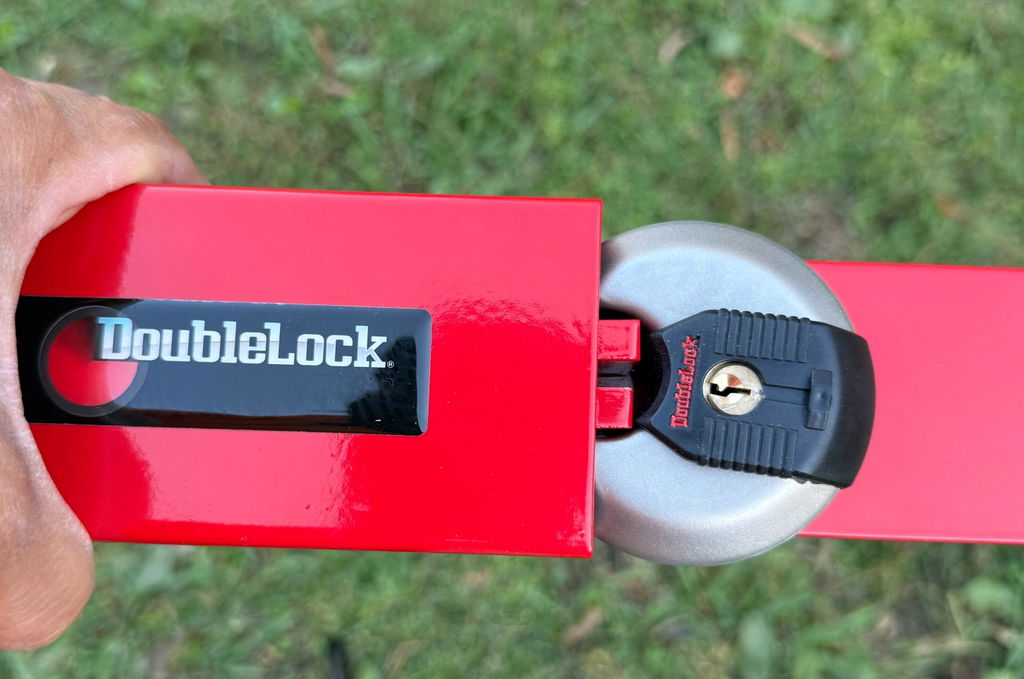
A receiver hitch lock replaces the ordinary hitch pin with a locking mechanism. The pin passes through the receiver and hitch assembly, then locks in place. That step prevents thieves from removing the trailer from your vehicle or attaching the trailer to their own vehicle without first defeating the lock. A locking hitch pin does not make the trailer impossible to steal, but it removes the quick, standard-pin removal that makes unauthorized towing easy.
Choose a hitch lock that matches your receiver size and leaves enough room for the lock body to close completely. Inspect the pin after installation, confirm that the locking mechanism has engaged, and keep the key separate from the tow vehicle. DoubleLock USA's receiver hitch locks collection provides a starting point for selecting a purpose-built option.
Immobilize the wheels
Wheel clamps add a visible barrier that stops the trailer from rolling normally. Position the clamp so it grips the wheel securely without contacting brake lines, valve stems, or other vulnerable components. Use a wheel clamp when the trailer remains at a trailhead, storage lot, jobsite, or driveway for an extended period. Review this guide to trailer wheel security for practical selection and placement considerations.
| Security Layer | What It Stops | Best Use Case |
|---|---|---|
| Coupler lock | Prevents thief from opening the coupler latch to connect the trailer to their vehicle | Long-term storage at trailhead or driveway |
| Receiver hitch lock | Blocks removal of the hitch pin, keeping the trailer attached to the tow vehicle | Overnight stops during transport |
| Wheel clamp / chock lock | Immobilizes the trailer so it cannot roll even if hitched | Unattended storage at a jobsite or campground |
Layer the three controls whenever the trailer carries valuable equipment: lock the coupler, secure the receiver connection, and immobilize a wheel. No single lock is undefeatable, but each barrier increases the time, tools, and attention a thief needs. That makes the trailer a harder target while keeping your ATV trailer security plan focused on the actual points of attack.
Securing the ATV or UTV to the Trailer
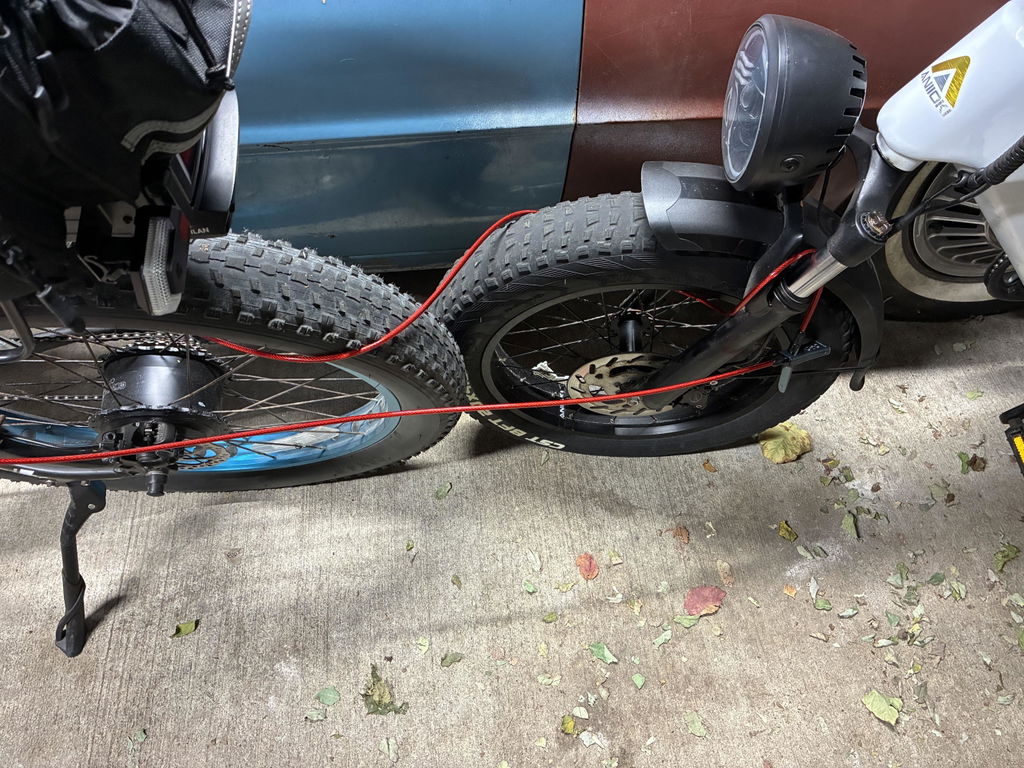
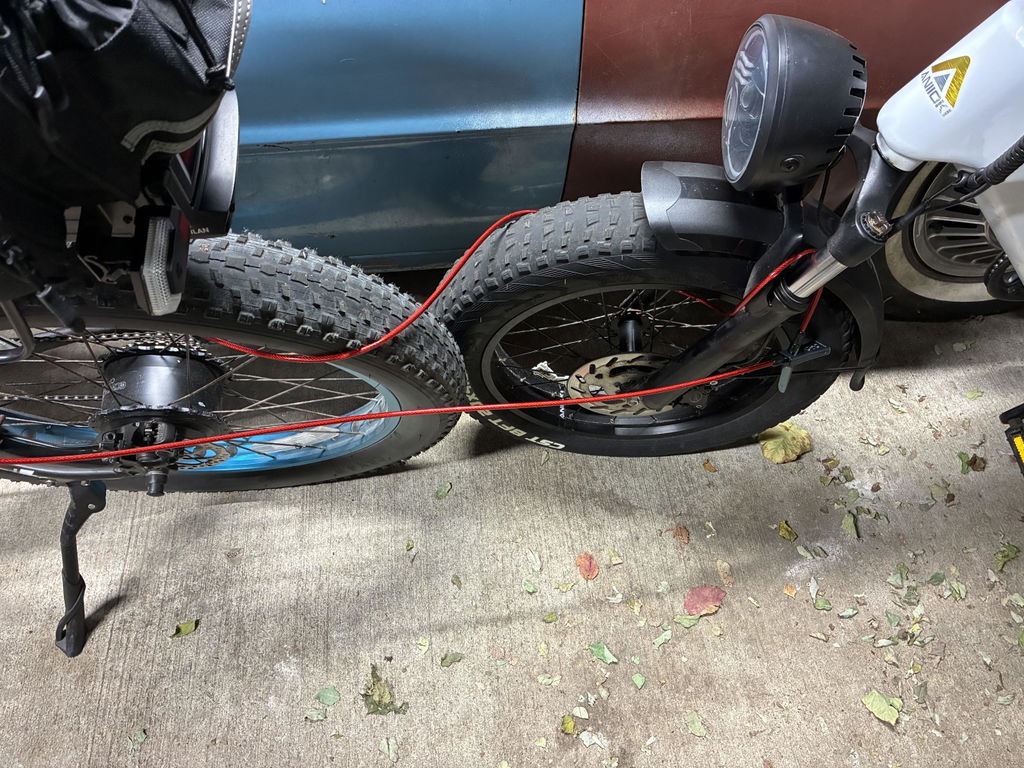
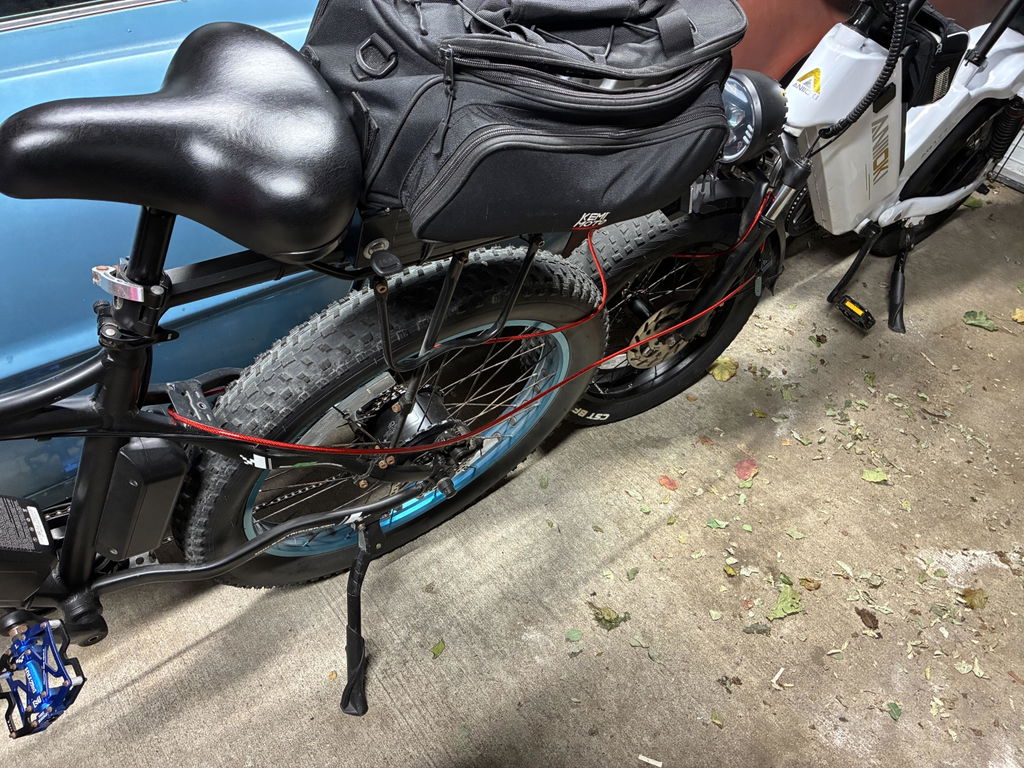
Locking the trailer does not secure the machine sitting on it. Add a second layer by attaching the ATV or UTV to the trailer with a heavy-duty cable and lock. Route the cable through a substantial suspension or chassis point, then anchor it to the trailer frame or another fixed structural point. Choose locations that resist removal and do not interfere with steering, braking, suspension travel, or loading equipment.
Route the cable through strong attachment points
Do not run a cable through a plastic body panel, wheel spoke, handlebar, or another component that an attacker can cut or remove. Look for a robust frame or suspension point identified by the vehicle manufacturer. Keep the cable tight enough to limit movement, but leave enough clearance to avoid pinching it between the machine and trailer. A second cable at the opposite end creates a more difficult theft problem and keeps the machine from shifting if one restraint fails.
Use a purpose-built cable lock sized for outdoor equipment security. A thick cable creates a stronger physical barrier than a light utility cable. While a properly positioned lock keeps the connection accessible for inspection without leaving it on the ground. Check every connection before departure and again after the first few miles.
Choose a cable and lock built for equipment
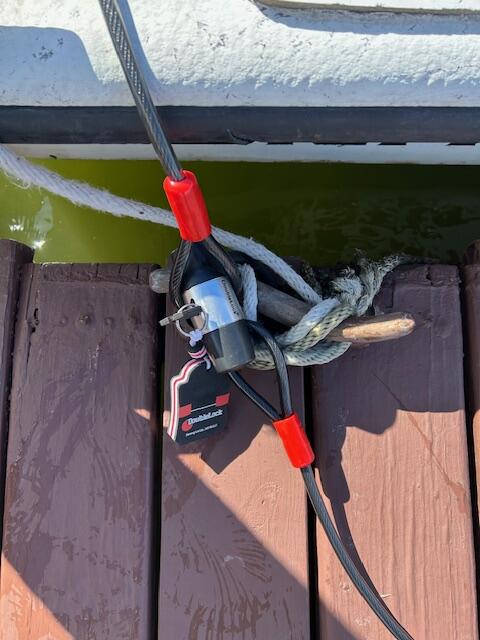
For a premium ATV trailer security setup, the BEAST Ultra Heavy Duty Cable & Lock Bundle combines an ultra-thick cable with U-lock security for equipment applications. Its format gives owners a substantial restraint for tying an off-road machine to a trailer frame or other fixed anchor. Keep the lock body elevated and shielded from direct contact with the ground, where dirt and moisture can complicate operation.
Another approach uses a receiver-based system rather than straps or ropes. The Kolpin Lock-It Rite system secures an ORV in seconds and is designed to limit forward, backward, and side movement. It suits owners who want a dedicated mounting system and whose trailer or vehicle setup supports that installation. Follow the system and vehicle manufacturer's fitment instructions before relying on it.
No lock makes an ATV or UTV impossible to steal. Pair the machine restraint with a locked coupler, hitch security, and wheel protection. Multiple layers force a thief to defeat separate barriers instead of removing one strap or cutting one cable.
Protecting Gear, Tools, and Accessories
Securing the ATV or UTV does not protect the tools, helmets, recovery gear, fuel cans, and other equipment riding beside it. An unlocked toolbox or storage compartment gives thieves a fast access point, especially when the trailer sits at a trailhead, jobsite, or storage facility. Treat every exterior compartment as part of the security system.
Lock toolboxes and compartments at the hasp
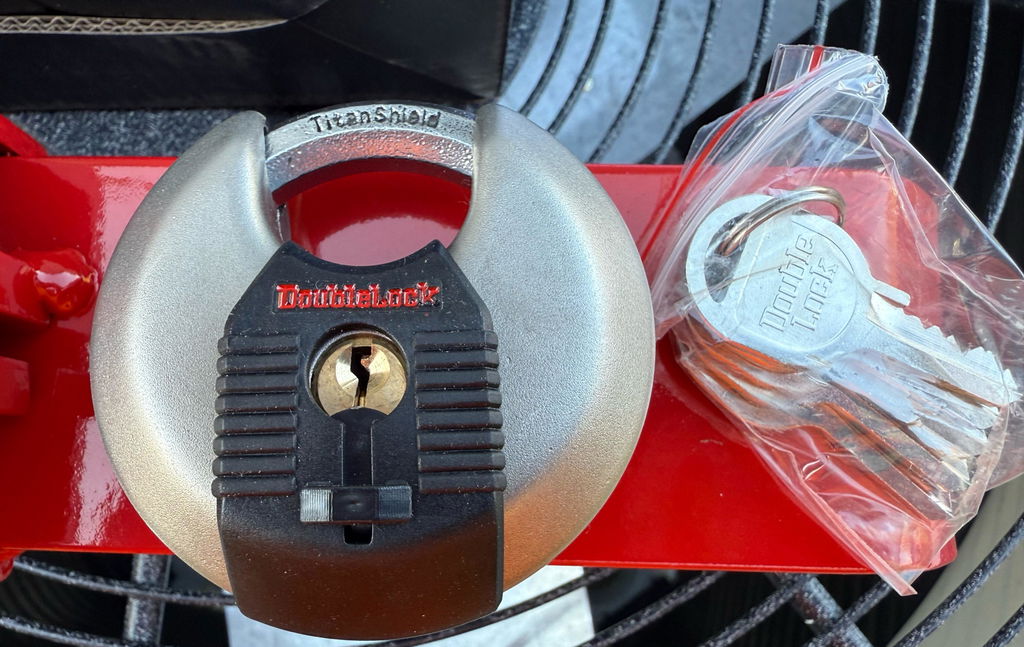
Start with the locking point. Inspect the toolbox hasp, latch, and mounting hardware for gaps that allow prying or cutting. Replace a light-duty padlock with a purpose-built lock that matches the hardware and leaves minimal room for attack tools. The CRAB Discus Lock provides heavy-duty padlock security for toolbox and storage compartment applications. Its enclosed discus-style body limits access around the shackle, giving thieves less exposed hardware to target.
Use the CRAB on compartments that hold high-value tools or accessories, not just on the main trailer coupler. Keep the lock body clear of standing water and position the hasp so the lock cannot hang against the road surface during transport. A clean installation reduces leverage and keeps the lock accessible when you need your gear.
Choose a padlock built for serious physical attacks
Padlock design matters as much as the compartment itself. DoubleLock USA padlocks feature edge-to-edge locking. A key differentiator that increases cut resistance by protecting the locking area across the body rather than relying on a narrow contact point. Review the heavy-duty padlocks collection to match the lock to the toolbox, storage compartment, or accessory carrier.
Do not leave spare keys in the toolbox or attach them to the trailer. Store keys separately, limit access among drivers or crew members, and check each compartment before leaving the vehicle unattended. No lock is undefeatable, but a properly fitted lock removes easy access and raises the time, noise, and effort required for theft.
Weather Resistance and Portability for Outdoor Storage
Outdoor storage exposes every lock to conditions that indoor hardware never faces. Rain works into keyways and seams. Mud coats moving parts. Road salt accelerates corrosion during winter hauling. A standard lock may work when you first attach it, then seize after repeated exposure. Leaving your trailer, equipment, or storage compartment difficult to secure when you need it most.
For dependable ATV trailer security, choose hardware built for transport and outdoor use. DoubleLock USA emphasizes weather-resistant construction as a core product differentiator. That design focus supports reliable operation through changing conditions. From a damp storage yard to a muddy trailhead or a highway trip where spray and road debris reach the trailer. Weather resistance does not make any lock undefeatable, but it keeps environmental wear from becoming an avoidable weak point in your security setup.
Build for the places you actually ride
Consider the full route, not just the driveway. An ATV or UTV may sit outside at home, travel on an open trailer, and spend hours at a trailhead before returning to storage. Each location creates a different exposure profile. Select locks that tolerate the environment and match the point you need to secure, including the trailer connection, the machine, and onboard gear.
Durable construction also protects the lock's usability. When a lock resists weather-related deterioration, you spend less time fighting stuck components and more time securing the equipment. Keep the mechanism clean, inspect it after muddy or salty trips, and follow the manufacturer's care guidance. Maintenance reinforces the lock's design rather than compensating for hardware that was never intended for outdoor exposure.
Portability keeps security in the routine
Trailer owners need security hardware that travels with the equipment. A portable lock should move easily between home storage, the trailer, and the trail without requiring a separate setup for every location. Compact, purpose-built solutions make it practical to lock the same high-value points consistently instead of leaving protection behind because the hardware is bulky or inconvenient.
That portability matters for fleet and rental operators as well as individual riders. When a lock fits naturally into loading and unloading, teams can apply the same security routine across multiple trailers and storage areas. Pair weather-resistant locks with the right cables, hitch hardware, or padlocks for each theft target. The result is a security system designed for real outdoor movement, not one that only performs on a workbench.
Building a Layered ATV Trailer Security System
Effective ATV trailer security starts with one principle: protect every point a thief could exploit. A trailer lock alone does not secure the machine sitting on the deck, and a cable around the ATV does not stop someone from taking the trailer itself. A layered system combines different lock types so each barrier addresses a separate risk.
Secure the trailer before securing its cargo
Start at the connection point. Use a purpose-built trailer lock to secure the coupler or hitch when the trailer is parked or detached. This prevents an unauthorized vehicle from attaching to the trailer and adds a dedicated barrier beyond the standard hitch hardware. When the trailer remains outside for extended periods, add wheel-focused protection where appropriate. Separating trailer security from cargo security keeps one compromised lock from exposing the entire setup.
Lock the ATV or UTV to the trailer
Next, secure the machine itself. Route a heavy-duty cable through a strong, difficult-to-remove chassis or suspension point, then anchor it to the trailer frame. Avoid relying on plastic body panels, removable accessories, or a loose strap as the primary theft barrier. The ATV and UTV security cables in a cable-and-lock system give owners a purpose-built way to connect the vehicle to the trailer. Choose a routing point that limits access to the cable and does not interfere with safe loading or transport.
Protect tools, helmets, and riding gear
ATVs rarely travel alone. Secure fuel cans, tools, helmets, ramps, and recovery equipment inside a toolbox or storage compartment, then lock that compartment with a durable padlock. Browse padlocks suited to the application, including designs with edge-to-edge locking that resist cutting at the shackle access point. Keep removable gear locked even when the ATV has its own cable. Small unsecured items create easy opportunities at trailheads, campsites, and storage lots.
Build for outdoor exposure
Outdoor storage adds rain, dirt, temperature changes, and road spray to every security decision. Select weather-resistant hardware and inspect the locks after transport or wet-weather use. A portable system also lets you carry the same barriers from the driveway to the trailhead without leaving security equipment behind. No lock is undefeatable, but combining trailer, vehicle, and gear protection forces a thief to defeat several different barriers. That diversity makes the entire setup a stronger deterrent than any single lock used alone.
Frequently Asked Questions
What is the best way to secure an ATV on a trailer?
Use layered protection. Secure the ATV through a strong chassis or suspension point with a heavy-duty cable and lock, then add reliable tie-downs to control movement during transport. Lock the trailer coupler or receiver so thieves cannot take the trailer itself. A cable such as the BEAST Ultra Heavy Duty Cable & Lock Bundle provides a purpose-built option for securing equipment between the machine and trailer.
How do you protect an ATV from theft at a trailhead?
Make the ATV difficult to remove quickly. Park in a visible, well-used location, keep the trailer attached to a capable tow vehicle when practical, and lock both the trailer and the ATV. Route the cable through a substantial frame point rather than a removable accessory. Add a second lock when the machine will remain unattended, because different lock types force a thief to defeat more than one layer.
What is the most effective theft deterrent for an ATV trailer?
A trailer lock that secures the coupler or receiver is the first line of defense against trailer theft. Wheel security adds another barrier when the trailer sits in storage. For the ATV itself, combine a heavy cable lock with secure tie-downs. No lock is undefeatable, but layered physical security reduces easy removal and raises the time, tools, and exposure a thief must accept.
Do ATV trailers need protection from weather as well as theft?
Yes. Outdoor storage exposes locks to moisture, dirt, and temperature changes that can interfere with operation over time. Choose weather-resistant hardware and inspect it regularly for contamination or wear. Protect toolboxes and trailer compartments with a heavy-duty padlock such as the CRAB Discus Lock. And keep locking components clean so the security system remains ready when you need it.
Ready to Shop ATV and UTV Trailer Security
Protect your off-road equipment with a layered setup built for transport and storage. DoubleLock USA offers purpose-built trailer locks, security cables, and heavy-duty padlocks for owners who take physical security seriously. Shop ATV and UTV trailer security products from DoubleLock USA, or contact the team about solutions for fleet and wholesale needs. Shop trailer locks and security products to get started.